Structural Concrete Grade Beam & Pier Foundation in Milpitas
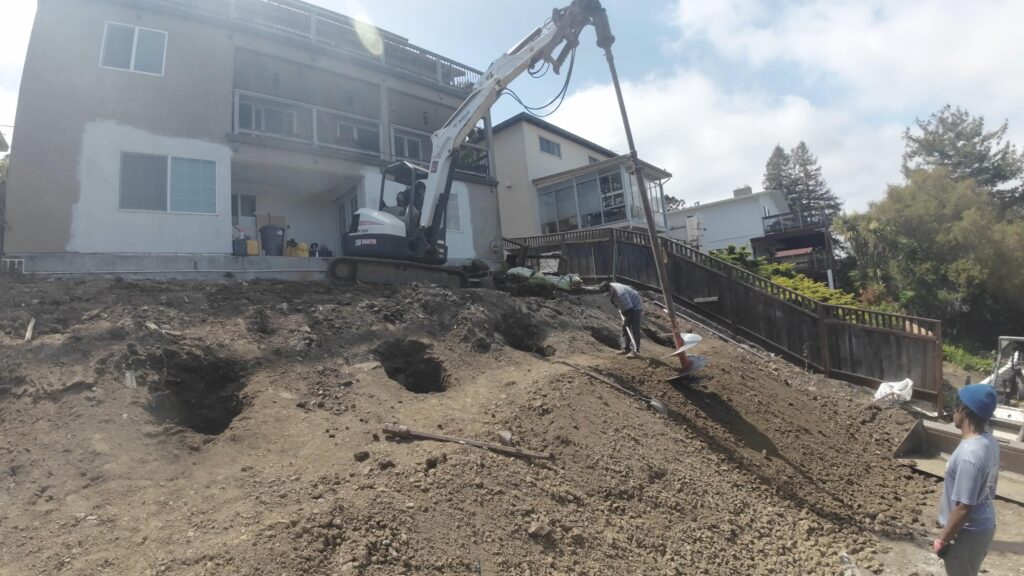
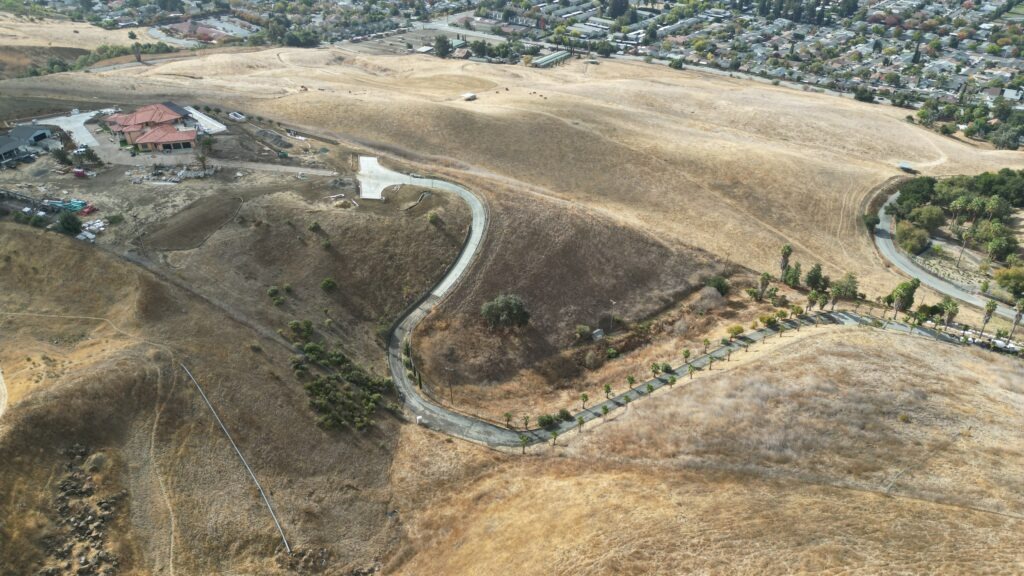
This Milpitas project sits high up in the hills, one of those spots where the view hits you first — you can literally see the whole San Jose valley, Levi’s Stadium, 680, all that. Beautiful area… but the ground up here? Man, it moves. Anybody who builds in Santa Clara County knows these hills don’t play around. Before we get into the breakdown, here’s the full gallery if you want to check out the photos first:
Full Project Photos:
👉https:https://tinyurl.com/milpitasfoundation
YouTube Video For This Project:
👉 https://bit.ly/Frontfoundation
About This Milpitas Project
Getting Started
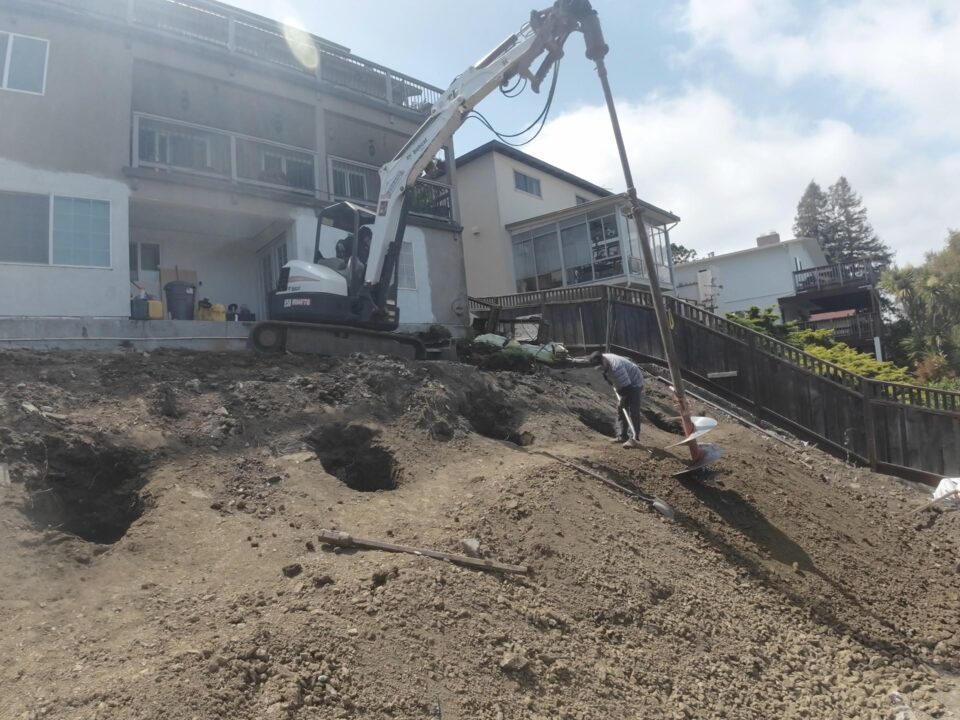
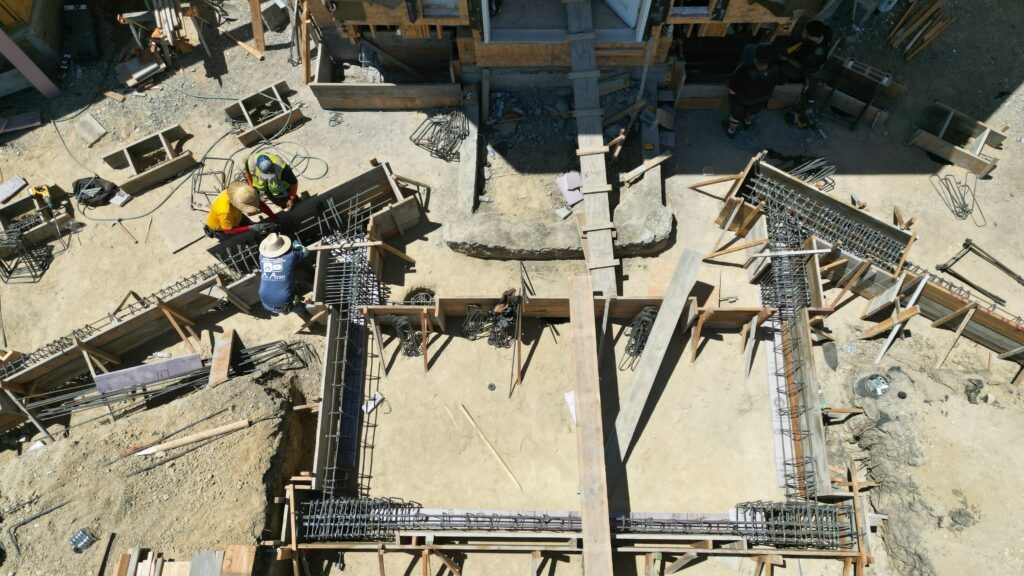
The driveway coming up was long, the site was tight, and everything had to be brought up the hill. We were building rebar cages on-site, hauling materials up, laying out the grade beam, drilling the piers — one of those jobs where you feel it in your legs by the end of the day. But that’s pretty normal for Milpitas. These lots sit on clay, rock, and pockets of soil that shift with the seasons. If you don’t tie the whole thing together, the ground will move the structure for you — and not in the direction you want.
What We Built
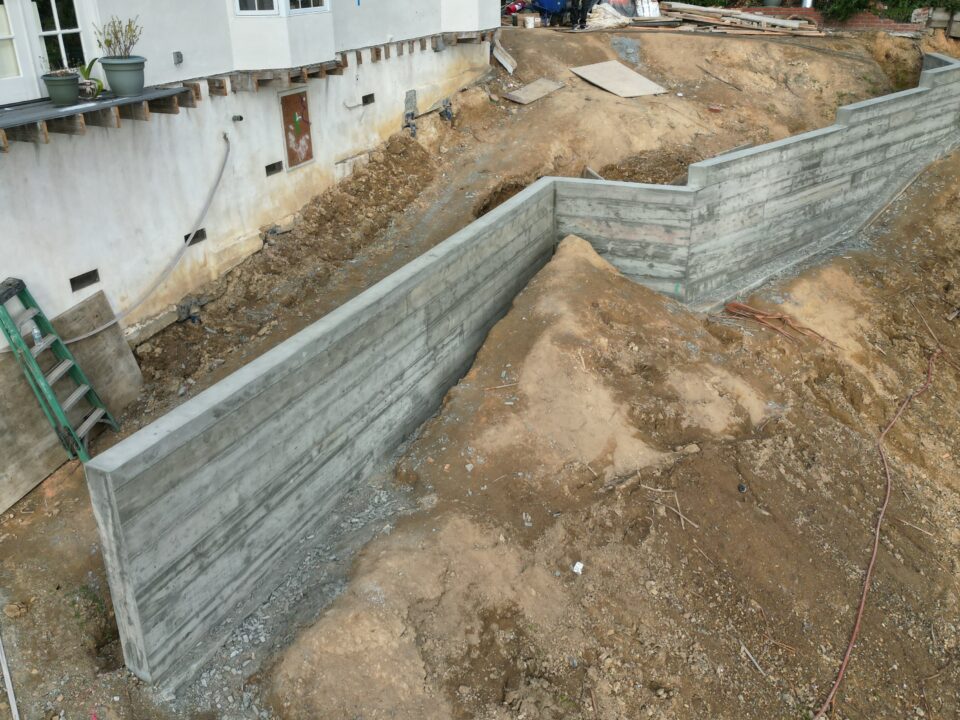
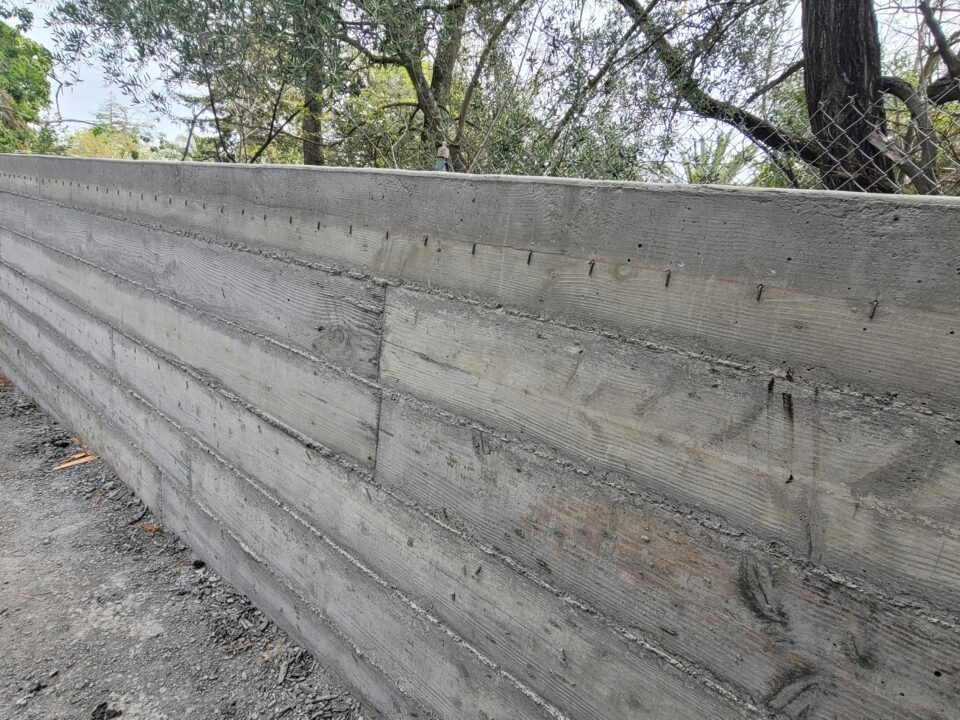
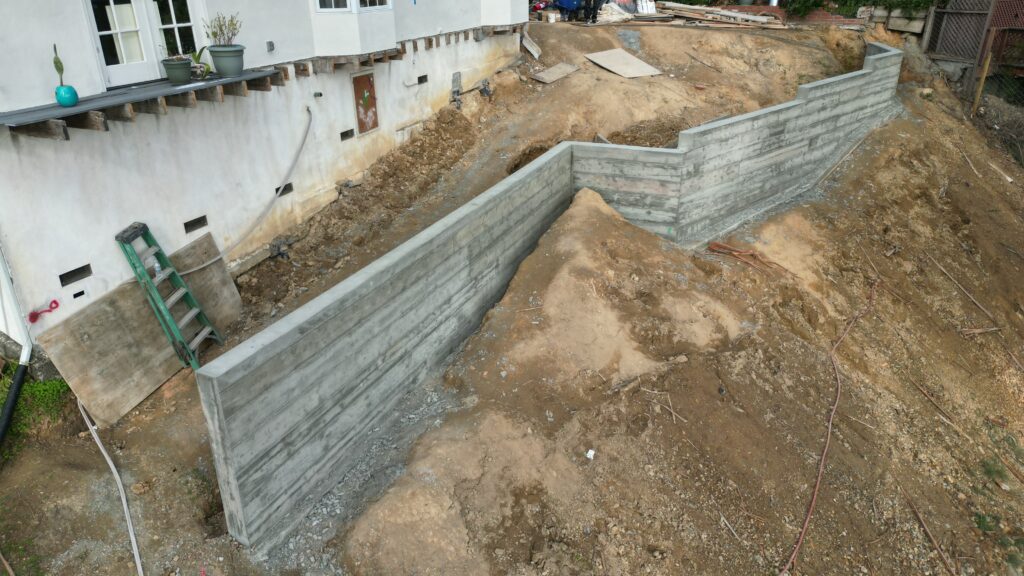
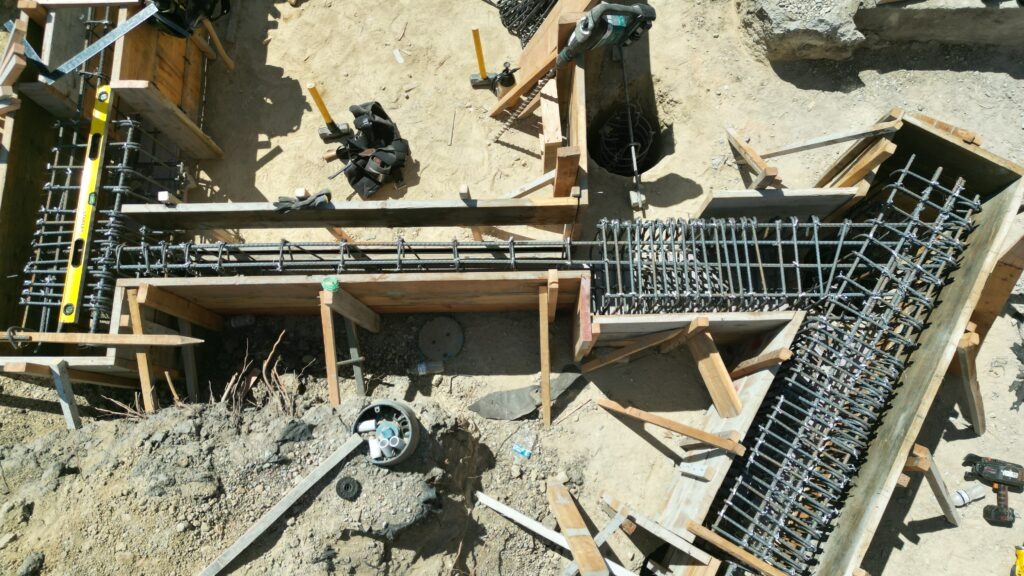
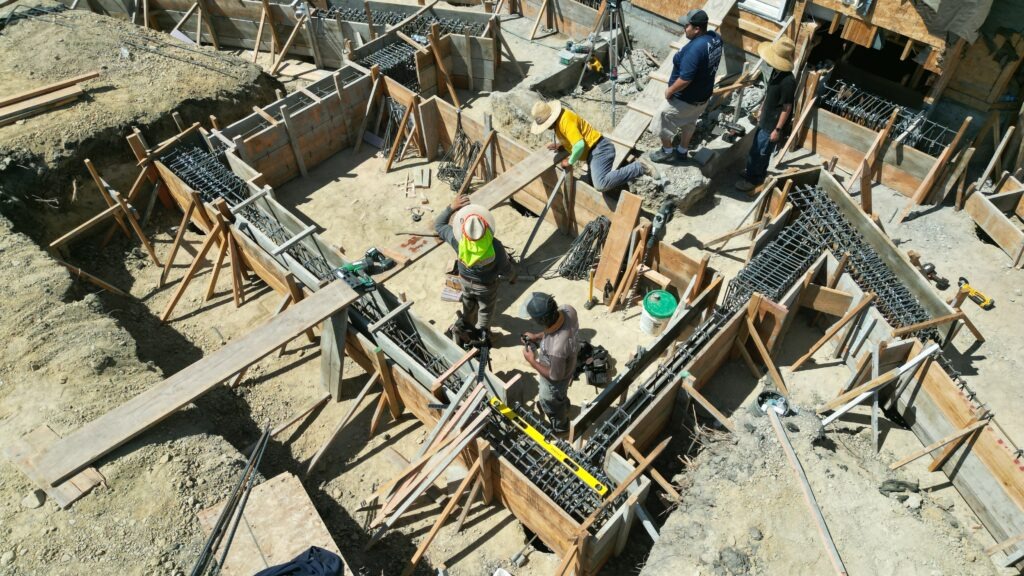
We drilled the piers to the engineer’s specs, tied the cages, installed the spirals, and built a structural-grade beam that connects everything nice and tight. Clean layout, clean pour, everything locked in the way it should be. If you look at the pictures, you’ll see how the rebar work runs — that’s the backbone of the whole project. Once that’s in, the concrete is just the coat over the armor.
If you look at the pictures, you’ll see how the rebar work runs — that’s the backbone of the whole project. Once that’s in, the concrete is just the coat over the armor.
Real Talk About Hillside Foundations in the South Bay
Why the Ground Up Here Moves So Much
Milpitas, Berryessa, East San Jose… all these hillside neighborhoods deal with the same thing: the soil expands when it’s wet, shrinks when it’s dry, and slowly shifts over time. If you don’t build a real structural system, that movement will show up as cracks, separation, or settling later.
What Grade Beams and Piers Really Do
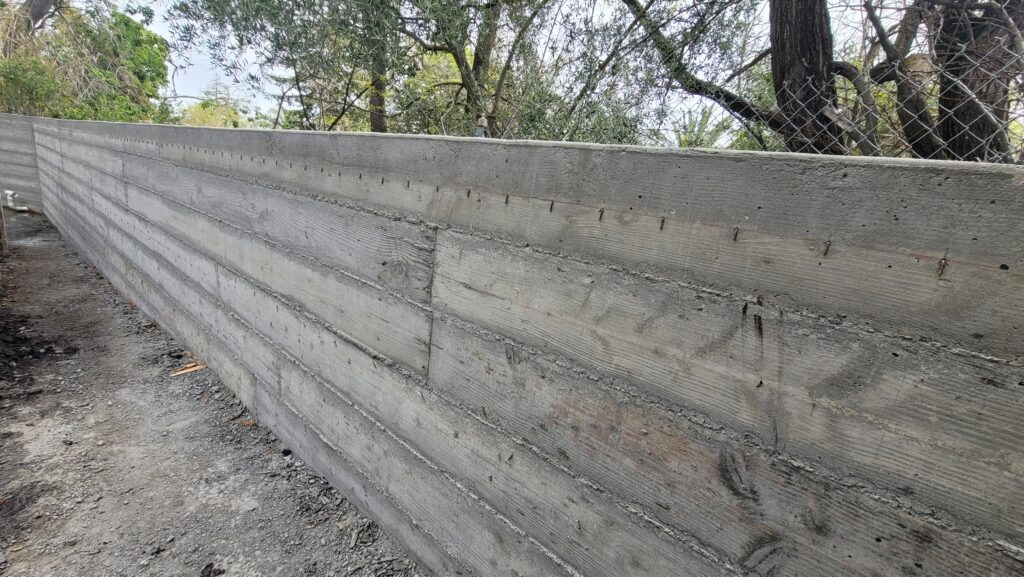
Drainage is usually the #1 thing we see skipped around Walnut Creek. Without drainage, water pressure builds up behind the wall, slowly pushing everything forward. We installed a proper drainage system along the full 90 feet, so water has somewhere to go instead of building pressure behind the pool area.
Grade beams keep everything tight horizontally. Piers anchor everything deep, so nothing slides. It’s not “extra.” It’s what keeps your project from becoming a headache later.
What We See in the Field vs. What’s on Paper
Why We Build in a Sequence
Once we start cutting into the grade, the ground starts speaking its own language. Engineers and architects draw the plans — they look solid on paper. But when you dig, drill, lay footings and piers, and pour grade beams like we did in Milpitas, that’s when the real soil and subsurface tell the truth. That’s not a problem — that’s just how real structural concrete work goes.
We build in a sequence: layout ➝ excavation ➝ pier drilling or footings ➝ reinforcement ➝ concrete pouring ➝ drainage or back-fill as needed. And every step of that sequence has the chance to show something unexpected. Some surprises show up early, some later. That’s just part of working deep in the Bay Area soil.
When that happens — on big slab jobs, pier foundations, grade beams — we don’t hold back. We bring it straight to you. And on jobs like Milpitas, change orders can happen. Not because someone messed up — because sometimes the ground doesn’t cooperate with what’s drawn. We explain what we find, why it matters, and how to move forward safely and smart.
Whether it’s the sub-soil, underground conditions, drainage needs, or structural requirements — we stay transparent, flexible, and professional. We don’t rush. We don’t try to “make the plan work at all costs.” We build what the ground demands.
We’ve been doing structural concrete foundations and grade-beam work long enough to know how Bay Area soil behaves once you start digging. So when something comes up mid-job, we know how to adjust the work, keep the project on track, and keep you informed the whole way.
Schedule online ⏩ https://tinyurl.com/AllAccessEstimates
Call/text: 510-804-4646